That includes ensuring access to skilled labour and attracting strong capital, especially after the end of the EU funding period.
To improve the business environment and attract more investors, it is important to simplify and speed up administrative procedures, says Burak Baykan, President of the Foreign Investor Council (FIC), for Diplomacy&Commerce. He also explains the significance of Croatia’s entry into the OECD, but also where he sees our country in a decade, in terms of economic development and potential.
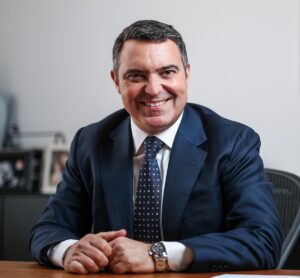
- At the end of February, the Foreign Investor Council, which you chair, presented the „White Book“, a traditional publication on the investment climate in Croatia. What are the key conclusions and how would you assess the level of investment in the country?
The Foreign Investors Council presented the White Book, which highlights that Croatia has strong potential for attracting foreign investment, particularly in sectors such as tourism, real estate, energy, and infrastructure. Investment levels in the country have been solid, and in recent years Croatia has shown sustainable growth along with improvements in its credit rating, which further strengthens investor confidence. However, in order to maintain the growth, Croatia will need to address several key challenges, including ensuring access to a skilled workforce and attracting strong capital, especially after the EU funding period comes to an end. At the same time, the White Book points out that there are still structural obstacles, particularly slow and complex administrative procedures, as well as rising investment costs.
- What are the specific recommendations for improving the business environment and how to attract foreign investors?
To improve the business environment and attract more investors, it is important to simplify and speed up administrative procedures. Processes should be clearer and more transparent to avoid unnecessary delays.
Croatia also needs to address the shortage of skilled labor by transforming the education system and aligning human resources with the evolving needs of the economy. In addition, attracting investment in a highly competitive global market requires measures to improve Croatia’s overall competitiveness, such as tax reforms and making it easier and more predictable to do business in the country. Also, the country should promote its investment opportunities in a more active way, especially as the EU funding decreases in the future. Improving infrastructure and the quality of services, especially in tourism, is also important for attracting higher-spending visitors and investors.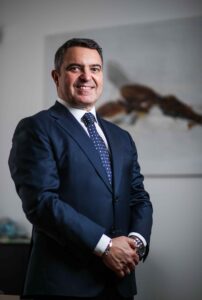
- How would you rate the cooperation with decision-makers, the Government, and how attentive they are to the needs of investors? What does the cooperation look like?
Our cooperation with the government is generally positive and has improved significantly in recent years. We have actively participated in numerous working groups focused on optimizing the business environment, including areas such as labor, digitalization, and initiatives related to Croatia’s OECD accession process. The Foreign Investors Council works closely with authorities through consultations, policy recommendations, and advocacy, emphasizing the need for reforms that align with international best practices, including those linked to Croatia’s OECD accession process.
- The international cooperation of FIC shows a high level of relations. What are the experiences and some key similarities and differences when we talk about the investment climate in other countries, both EU members and those in the surrounding area?
When compared to other countries, Croatia shares some similarities with EU members, such as regulations and access to EU funds. However, it still faces challenges, especially with slower administration and the need to better promote its investment potential. Experiences from other countries show that addressing labor shortages, improving transparency, and attracting high-quality investors are crucial for sustaining long-term economic growth.
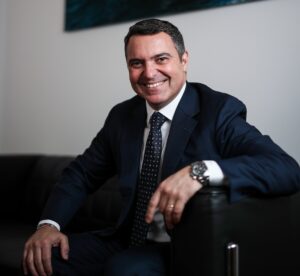
- Croatia is striving to become a member of the OECD. You met with their representatives when they were in Zagreb. From the investor’s point of view, how much will membership in that organization mean for business and in what specific way? What will be different compared to now?
From an investor’s perspective, membership in the OECD would significantly enhance Croatia’s business climate. It would increase transparency, align regulations with international best practices, and foster greater confidence among foreign investors. Accession would also help make administrative processes faster and more predictable, which could encourage more long-term and higher-quality capital to enter the country. Additionally, OECD delegations often consult with investors and business representatives, including our members, to ensure that legal reforms are effectively improving the business environment.
- Where is Croatia today when we talk about the business climate and level of investment compared to 10 years ago, in terms of conditions, and how do you see it in 10 years?
Looking at Croatia’s business climate over the past ten years, conditions have improved considerably. A decade ago, investment opportunities were growing but limited by slow administrative processes and a less developed luxury tourism sector. In recent years, Croatia has managed to sustain growth above the EU average, supported by reforms, EU funds, public investment, and the expansion of tourism. As noted in the White Book, Croatia’s real GDP per capita now approaches 80% of the EU average.
Today, major projects in tourism and infrastructure demonstrate strong investor confidence, although challenges like bureaucracy, labor availability, and overall investment costs persist. Over the next ten years, with ongoing reforms, OECD membership, and strategic investments, Croatia has the potential to become a more efficient and attractive destination for foreign investors. The country could significantly expand its high-end tourism, real estate, and infrastructure sectors, creating a sustainable business environment for years to come.