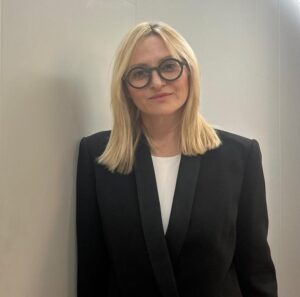
A particular strength of the Croatian system is the strong integration of clinical dermatology, preventive medicine, and dermocosmetics, research, and scientific practice, Assoc. Prof. Zrinjka Paštar, MD, PhD, Specialist in Dermatology and Venereology, Dentaderm and University of Zadar, Department of Health Studie and owner of the Dentaderm Clinic, told Diplomacy&Commerce. As a successful businesswoman, she has recently launched the Eastok hair care line, which is unique on the market in terms of its composition and effects.
1. You are a recognized and respected expert with many years of experience in dermatology and venereology, not only in Croatia but internationally as well. To begin with, how would you assess the health of the Croatian population from the perspective of your profession? Where do you see the most problems, and how can they be addressed?
From the perspective of dermatology and venereology, the health of the population in Croatia can be described as good; however, there are patterns that should concern us in the long term, particularly those related to awareness, knowledge, lifestyle, and habits. The greatest challenges remain excessive exposure to UV radiation, inadequate photoprotection, late recognition of malignant skin changes, postponing examinations of suspicious skin lesions, the growing impact of stress and lifestyle on chronic skin diseases, chronic skin conditions associated with immune system disorders, and an increase in sexually transmitted infections among the younger population. In my opinion, the solution lies in stronger public health prevention efforts, early screening, digitalization of skin lesion monitoring, and interdisciplinary cooperation with family medicine and public health institutions. In the long term, clear, accessible public information and education must be continuous, but also adapted to modern communication channels. Digital tools can be, and already are, a valuable ally in this process, but they cannot replace a medical examination.
2. In 2006, you introduced the standard of dermoscopic examinations in Croatia, along with clinical and dermoscopic photo documentation and clinical-dermoscopic monitoring of moles with photo documentation. How much did these innovations influence patient awareness then and now, and how much have they contributed to improving the overall health of the population?
These methods enabled earlier detection of melanoma and other skin tumours, reduced the number of unnecessary surgical procedures, and increased patient safety through longitudinal monitoring of changes. In addition to their clinical benefits, their educational impact has been extremely important – patients have become more aware of the importance of self-examinations, as well as preventive and follow-up checkups. Today, digital dermatoscopy and artificial intelligence further enhance diagnostic precision, confirming that the foundations for a modern approach to preventive dermatology were laid back then.
3. You recently launced the new Easton shampoo line. What makes this line different and special compared to similar products on the market?
The Eastok line – scalp exfoliator, oil concentrate, shampoo, and emulsion – was developed out of a clinical need for effective, sophisticated, and dermatologically safe solutions for hair growth. Eastok products are formulated with carefully selected botanical extracts of Thymus vulgaris, Rosmarinus officinalis, Cedrus atlantica, and Lavandula angustifolia. These thoughtfully designed trichophytotherapeutic formulations act in synergy to stimulate microcirculation, strengthen the hair follicle, and support the natural hair growth cycle, while also providing antiandrogenic activity targeting factors associated with increased hair loss and thinning. Developed in concentrations supported by testing, Eastok products help reduce hair loss, promote regrowth, and create visibly thicker, stronger, and more vital hair. The textures are balanced to deliver maximum efficacy without pronounced irritation, preserving the natural balance and comfort of the scalp. Eastok embodies the fusion of scientifically grounded effectiveness and a luxurious care ritual, designed for long-term health and beauty of the hair. The experience extends beyond the home routine through an exclusive aromatherapy treatment at the Dentaderm clinic, conceived as a 60 minute holistic renewal ritual. The professionally guided application of Eastok products is complemented by a carefully curated musical and lighting ambiance that soothes the senses, releases tension, and induces a state of deep relaxation. Within this space of quiet stimulation of the scalp, aromatherapy and active ingredients work more profoundly, enhancing microcirculation and supporting natural hair growth, while simultaneously restoring energy and emotional balance. The Eastok ritual thus becomes more than care – it transforms into an intimate wellbeing moment where science, botany, and sensory luxury merge into an experience of visibly healthier hair and a sense of complete regeneration.

4. In addition to being a successful specialist and physician, you are also a successful businesswoman. When and how did you decide to start a private practice, and how would you assess the business climate in your field (competition, clients, business conditions, administration)?
The decision to start a private practice was a logical step after many years of clinical work and a desire for greater professional autonomy, faster implementation of modern diagnostic methods, and a more individualized approach to patients. The private sector offers organizational flexibility, continuous investment in technology, and more space for preventive work, which I consider extremely important in dermatology. I perceive the business climate as dynamic, but not burdened by a sense of competition. In medicine, particularly in dermatology, patients recognize and choose their dermatologist, just as we physicians build long-term relationships of trust with our patients. Precisely that mutual recognition and continuity of care are more important than market rivalry. The greatest challenges remain administrative requirements and the regulatory framework; however, high-quality professional work, ethics, and patient trust remain the foundation of stable and successful practice.
5. What would you single out as the most challenging part of doing business – the professional or the business aspect? How difficult is it to operate today, and do you see changes in that regard?
The professional aspect, although demanding, is natural for a physician, as it involves continuous education, keeping up with new therapeutic options, and applying modern technologies for the benefit of patients. However, the business segment is more challenging, since it includes work organization, team management, administrative obligations, and constant alignment with regulatory requirements – areas for which medical education does not primarily prepare doctors. When I am working, there is no world outside that moment and the patient– complete focus, responsibility, and dedication become the only priority. I believe patients recognize this level of concentration and authentic commitment, which further strengthens trust and builds long-term relationships. Operating in healthcare today is more complex than before due to increased administrative burdens, rapid technological developments, and the need for continuous investment. At the same time, positive changes are evident – greater access to technology, growing awareness of preventive medicine, and an increasing willingness among patients to invest in quality and long-term health. I believe the future will bring further digitalization and organizational simplification, enabling physicians to devote even more attention to what matters most – the patient.
6. Where does Croatia stand today compared to the region and the world when it comes to the dermatology industry, the beauty industry, and the beauty sector in general? How do you see the future development of this sector?
Today, Croatia is in a phase of stable and visible growth within the dermatology industry and, in terms of professional expertise, procedural safety, and service quality, operates at the level of developed global markets. We have highly educated professionals, a growing dermocosmetic production sector, and an increasing demand for medically grounded diagnostic and therapeutic approaches. A particular strength of the Croatian system is the strong integration of clinical dermatology, preventive medicine, dermocosmetics, research, and scientific practice. In comparison with global trends, there is a noticeable rise in interest in preventive dermatology, early detection of malignant changes, preservation of skin health, and the use of products and procedures supported by solid scientific evidence. Patients are better informed and increasingly seek long-term, medically justified solutions. In the future, I expect further development of personalized dermatology, greater integration of digital diagnostic technologies, strengthening of medical evidence- based dermocosmetics, and more intensive collaboration between medicine, the pharmaceutical industry, and the research sector. The direction of development will focus on prevention, early diagnosis, and the preservation of functional skin health, which represents an important public health and professional priority.